
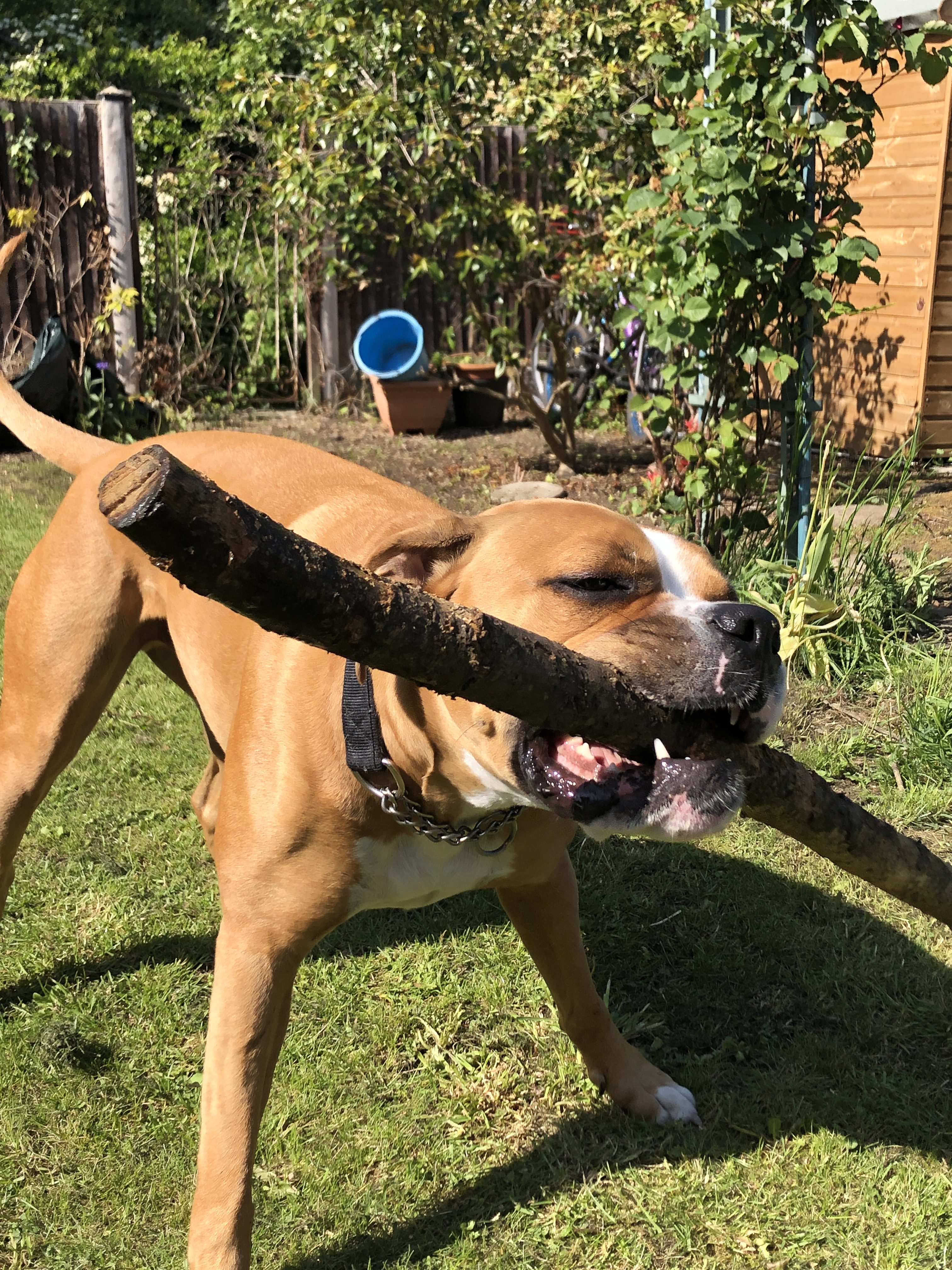
Coping With the Loss of a Pet: What Losing Chester Taught Me
Losing a pet can leave a space in your life that is difficult to explain to anyone who hasn't experienced it. They aren't simply an animal that lived in your home; they're part of your routines, your memories and your family. When I lost Chester, the grief was very real, and it still catches me sometimes. But over time I realised that coping with the loss didn't have to mean letting go of him or trying not to feel sad. For me, it became about learning to hold the sadness alongside something else — gratitude for the life he had, the memories we made, and all the ridiculous little moments that can still make me smile today.
Coping With the Loss of a Pet
When Chester died, the first feeling was simply the pain of him not being there anymore. The routines we'd shared, the sounds I expected to hear and the little things I barely noticed when he was here suddenly became painfully noticeable by their absence. For the first few days, I could even swear I could hear him at the foot of the bed.
Grief is personal, and I don't believe there's a right or wrong way to experience it. You can cry, laugh at a memory and then find yourself crying again five minutes later. What I've learned is that coping isn't about stopping those feelings. It's about allowing them to be there while slowly discovering that the love, laughter and memories are still there too.
The Thought That Changed Grief for Me
Very soon after Chester died, I realised something that changed the way I looked at my grief. Most of the pain I was feeling was about what I had lost. I wouldn't hear him at the bottom of the bed anymore. I wouldn't take him travelling with me, throw his ball or have those great slobbery chops coming towards my face. Those were my losses, and they hurt.
But when I shifted my attention away from what I'd lost and thought about Chester instead, the picture changed. He'd had more than ten years of being loved, travelling, walking, playing and generally living life to the full. Right up until his final day he'd been fit, happy and doing what he loved. His passing was sudden and, thankfully, he didn't endure a long period of suffering.
That didn't take my grief away, and I don't think we're supposed to pretend that it should. But it gave me another way of looking at what had happened. I was hurting because Chester was gone, but Chester wasn't hurting anymore. And somehow, holding those two thoughts together made the pain a little easier to carry.
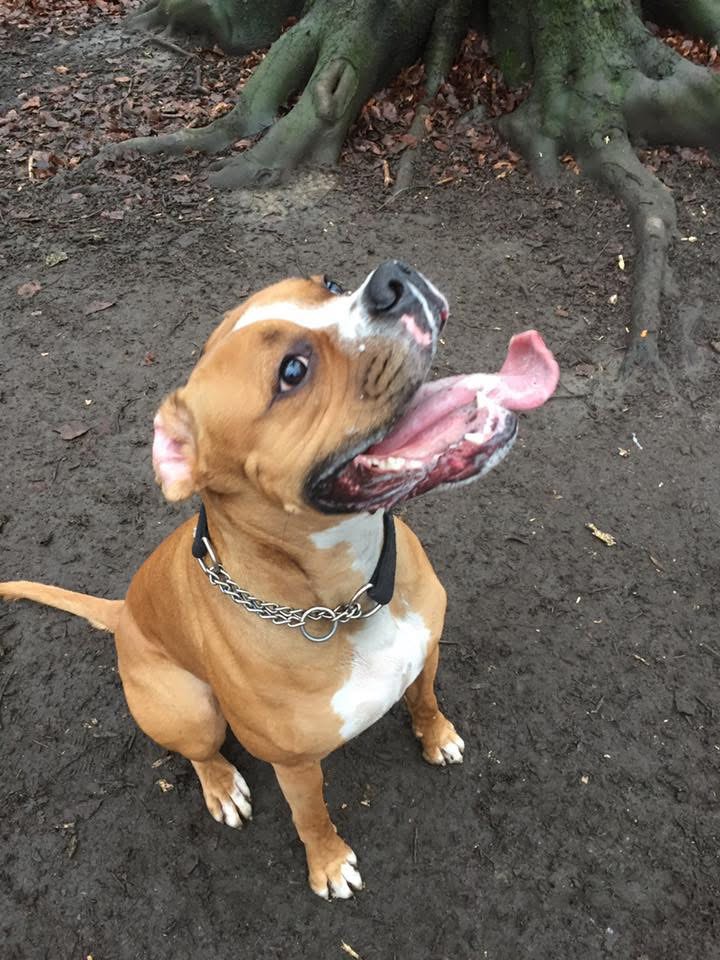
Grief and Gratitude Can Exist Together
One thing I've learned is that grief and gratitude don't have to compete with each other. I can desperately wish Chester was still here while also feeling incredibly lucky that I got more than ten years with him. Being grateful doesn't mean you miss them any less, and smiling at a memory doesn't mean you're somehow leaving them behind.
Sometimes we can become so focused on what we've lost that we temporarily lose sight of everything we were fortunate enough to have. So rather than trying to replace the thought “I've lost them,” try allowing another thought to sit alongside it: “Look at everything we had.”
For me, that small change in focus can completely change the feeling attached to a memory. The sadness may still be there, but now there can also be gratitude, warmth and even laughter. You don't have to choose between missing them and being thankful they were part of your life. Both can be true at exactly the same time.
Try This When a Painful Memory Appears
When a painful memory comes into your mind, I don't think you need to fight it or try to force it away. Acknowledge it. It's there because somebody you loved mattered to you. But then try something else. Deliberately choose another memory to sit alongside it.
Think of something ridiculous your pet used to do. A favourite walk. The place they always slept. A strange little habit. Something they did that drove you mad at the time but that you'd give almost anything to see them do again. Don't just think of the words — try to actually picture the moment. Remember their face, their personality and how you felt when it happened.
Stay with that memory for a few seconds and notice what happens. You might still have tears in your eyes, but you may also find yourself smiling. If you do, let yourself. The smile doesn't cancel the sadness, and the sadness doesn't cancel the smile.
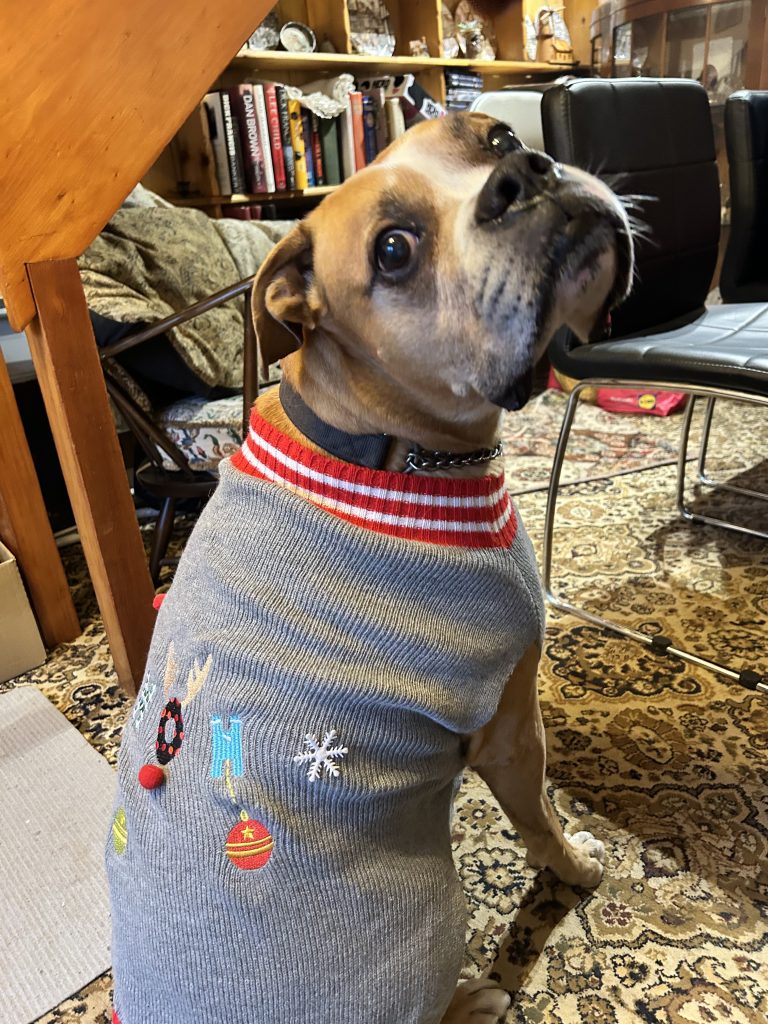
Remember the Life, Not Just the Last Day
After we lose a pet, it's very easy for the final day to become one of the strongest memories. But that final day was just one day in an entire lifetime together. Chester's last day matters to me, but I don't want it to become the story of his life. There were thousands of other days, and some of them were absolutely ridiculous.
When Chester was still young, I once threw his ball down an incredibly steep banking – almost like a short cliff. Chester, being Chester, didn't stop to consider whether this was a sensible place to retrieve a ball. He just launched himself after it. He got the ball and then tried to run back up. He made it about halfway before getting completely stuck, spread-eagled against the banking like bloody Spider-Man. 😂
I had to climb down after him. When I reached him, he was around chest or head height, so I literally peeled him off the bank, held this great lump of a dog against me like a baby and apologised for being stupid enough to throw his ball down there in the first place. Chester didn't care. He just licked my face.
That memory makes me laugh. And that's exactly why I deliberately make room for memories like it. Chester's life wasn't defined by the moment he died. It was defined by all the moments he lived.
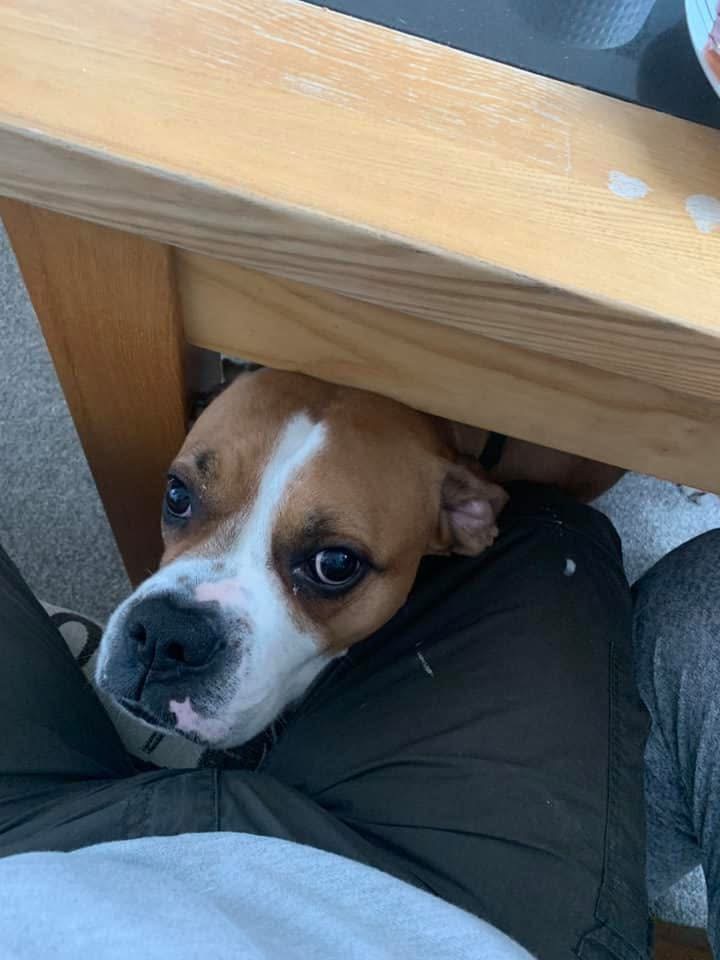
What Do You Do With Their Things?
After Chester died, his belongings were difficult to deal with. His bowls eventually went into the loft. I've kept them because I thought perhaps one day I'd have another dog, although that hasn't happened yet. His collar was different. I took it off him when he passed, and that's one thing I've deliberately kept.
Photographs are everywhere. Chester is still on my phone. And somehow, more than eighteen months later, I still occasionally find one of his hairs in the sofa or somewhere else it has absolutely no business still being. At first, those little reminders could bring the loss rushing back. Over time, many of them started bringing the memories back instead.
I don't think there's a right time to put their things away, and I don't think keeping something means you're unable to let go. Equally, putting their bed, toys or bowls away doesn't mean you're putting them out of your life. They're only things. The relationship and the memories attached to them are yours to keep.
Finding Your Own Way to Remember Them
For me, creating Chester Drawers eventually gave something positive and purposeful to Chester's life and to the loss I felt when he died. It gave me somewhere to put some of that love and emotion, and it meant that Chester could become the inspiration behind helping other people remember the animals they loved.
That doesn't mean everybody needs to turn their grief into a project or find some grand purpose in it. Remembering them might mean keeping their collar, framing a favourite photograph, planting something in the garden, visiting a favourite walking place or simply continuing to tell the funny stories about them.
What matters isn't what you choose to do. It's the meaning you give to it. Something that initially represents loss can, with time, begin to represent everything you shared instead. The object hasn't changed. What it means to you has.
They Remain Part of Your Story
Everyone has different beliefs about what happens when life ends, and I would never tell somebody else what they should believe. I can only explain what makes sense to me. I believe that everything in the universe is ultimately made from energy, and that energy changes rather than simply disappearing. Because of that, I believe Chester's energy and spirit are still here in some form.
You may believe something completely different. You might believe your pet is in heaven, that they're still with you in spirit, or you may not believe in anything after death at all. Whatever your beliefs, there's something much simpler that I think we can all hold on to: they changed us.
The years you spent together became part of your life. The love you gave them, the love they gave you, the places you went, the things they taught you and the memories you created don't disappear when they die. They become part of your own story. Whether you think of that as spirit, energy, memory or simply love, a part of them remains with you.
A Thought to Take With You
None of us really knows how long grief will last or how it will affect us from one day to the next. I still miss Chester. Sometimes remembering him makes me laugh, sometimes it puts a huge smile on my face, and sometimes, even now, it brings tears. I've learned to accept all of those feelings because they all come from the same place.
If you've recently lost a much-loved pet and everything still feels raw, I'm not going to tell you not to be sad. Be sad when you need to be. Cry when you need to cry. But every now and again, amongst those tears, try deliberately choosing one of the other days. One stupid thing they did. One adventure. One cuddle. One look. One moment that belonged to the two of you.
The pain you're feeling now exists because there was something worth missing. What you've lost matters, but so does everything you had. You don't have to choose between missing them and smiling because they existed. Both can be true.
Remember the life, remember the love, and let yourself smile at the memories.